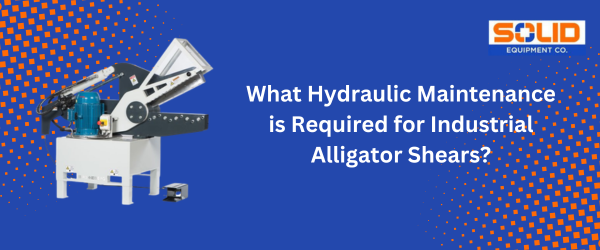
Hydraulic systems are the powerhouse behind industrial alligator shears. Every cut made through scrap metal, rebar, wire, catalytic converters, and other materials relies on hydraulic pressure to generate the force necessary for efficient processing.
Without proper maintenance, even the most durable hydraulic alligator shears can experience reduced cutting performance, slower cycle times, increased wear, and costly downtime. Fortunately, routine hydraulic maintenance can help operators avoid major repairs while extending equipment life and improving safety.
How Do Hydraulic Systems Power Industrial Alligator Shears?
The hydraulic system generates and transfers pressure throughout the machine, allowing the shear blade to cut through tough materials with consistent force.
In a typical Industrial alligator shear, hydraulic pumps, cylinders, hoses, valves, and fluid work together to convert mechanical energy into cutting power.
When properly maintained, these systems provide:
- Consistent cutting force
- Faster cycle times
- Reduced wear on components
- Improved operator safety
- Longer equipment lifespan
Because hydraulic performance directly impacts productivity, maintenance should be considered a critical part of daily operations.
Why Is Hydraulic Fluid Important?
Hydraulic fluid does far more than transfer pressure.
It also:
- Lubricates internal components
- Reduces friction and wear
- Helps dissipate heat
- Protects against corrosion
- Carries contaminants to filtration systems
Low fluid levels or contaminated fluid can significantly impact the performance of industrial alligator shears.
What Should Operators Check Daily?
Operators should routinely inspect:
- Hydraulic fluid levels
- Fluid color and clarity
- Signs of contamination
- Unusual odors or discoloration
Dark, cloudy, or milky fluid may indicate contamination that requires immediate attention.
How Often Should Hydraulic Filters Be Replaced?
Filters play a critical role in contamination control.
Over time, dirt, metal particles, and debris accumulate within the hydraulic system. Filters prevent these contaminants from damaging pumps, valves, and cylinders.
What are the Signs a Hydraulic Filter May Need Replacement?
- Slower machine response
- Increased operating temperature
- Reduced cutting force
- Pressure fluctuations
Following manufacturer-recommended replacement intervals is one of the simplest ways to protect scrap metal alligator shears from premature wear.
What Hydraulic Components Should Be Inspected Regularly?
Routine inspections help identify small issues before they become expensive repairs.
Hydraulic Hoses and Fittings
Inspect hoses for:
- Cracks
- Abrasions
- Bulges
- Leaks
- Loose connections
Even a small leak can reduce system pressure and lead to performance issues.
Hydraulic Cylinders
Hydraulic cylinders are responsible for delivering cutting force.
Operators should look for:
- Damaged seals
- Fluid seepage
- Rod scoring
- Uneven movement
Addressing cylinder issues early can prevent more extensive system failures.
How Do You Detect Hydraulic Pressure Problems?
Maintaining proper pressure is essential for consistent cutting performance.
What are the Warning Signs of Hydraulic Pressure Loss?
- Reduced cutting power
- Slower cycle times
- Difficulty cutting thicker material
- Incomplete cuts
- Increased energy consumption
Pressure gauges should be monitored regularly to ensure the system is operating within specifications.
For operations focused on maximizing throughput, maintaining proper pressure helps ensure alligator scrap metal cutting shear equipment continues performing efficiently.
What Are the Most Common Hydraulic Warning Signs?
Hydraulic issues often provide warning signs before a major failure occurs.
Watch for These Indicators
- Overheating hydraulic fluid
- Unusual noises or vibration
- Slow or sluggish machine operation
- Visible fluid leaks
- Pressure loss
- Contaminated hydraulic fluid
- Inconsistent cutting performance
Ignoring these symptoms can lead to costly downtime and more extensive repairs.
How Does Preventative Maintenance of Industrial Alligator Shears Reduce Downtime?
Preventative maintenance is one of the most effective ways to protect industrial alligator shears.
A structured maintenance schedule allows operators to:
- Replace worn components before failure
- Detect leaks early
- Maintain proper fluid quality
- Monitor pressure trends
- Reduce unexpected shutdowns
What are the Recommended Maintenance Intervals?
| Inspection Item | Frequency |
| Fluid Level Check | Daily |
| Hose Inspection | Daily |
| Leak Inspection | Daily |
| Pressure Monitoring | Weekly |
| Filter Inspection | Monthly |
| Fluid Analysis | Quarterly |
| Cylinder Inspection | Quarterly |
These routine checks help facilities avoid emergency repairs while maximizing uptime.
Does Hydraulic Maintenance Extend the Lifespan of Industrial Alligator Shears?
Hydraulic systems represent one of the most important investments within heavy-duty industrial recycling equipment. Proper maintenance reduces wear on pumps, valves, cylinders, and other critical components.
Facilities that prioritize preventative maintenance often experience:
- Longer equipment lifespan
- Lower repair costs
- Better productivity
- Improved operator safety
- Higher return on investment
Whether operating new equipment or evaluating used alligator shears for sale, maintenance remains one of the biggest factors affecting long-term performance.
How Maintenance Supports Long-Term Performance
Reliable hydraulic performance is essential for facilities focused on cutting scrap metal efficiently and safely. Many operators combine preventative maintenance with regular equipment evaluations and replacement planning to maximize productivity.
Working with an experienced used recycling equipment supplier like Solid Equipment can help ensure access to replacement parts, technical support, and equipment solutions designed for demanding recycling environments. Resources covering topics such as alligator shear applications, equipment comparisons, and industrial recycling best practices can also help operators optimize performance over time.
Final Takeaway
Hydraulic maintenance is one of the most important responsibilities for operators of industrial alligator shears. Monitoring fluid quality, replacing filters, inspecting hoses and cylinders, and tracking system pressure all contribute to safer operation and more consistent performance.
By investing in preventative maintenance and addressing issues early, scrap yards and recycling facilities can reduce downtime, extend equipment life, improve safety, and lower overall operating costs. In the long run, a proactive maintenance strategy is one of the most cost-effective ways to protect your equipment investment.
