In today’s fast-paced industrial world, companies constantly seek ways to streamline their operations and increase efficiency. One area that has seen significant improvement is cutting operations, thanks to the introduction of roll splitters.
If you have been in an industry that requires cutting large rolls of material, you’re likely familiar with the challenges and frustrations that come with it. Traditional cutting methods like saws and knives can be time-consuming, messy, and dangerous.
Roll splitters have revolutionized the cutting process, offering various benefits previously unavailable with traditional cutting methods.
In this article, we’ll explore roll splitters, how they work, and the benefits they can provide.
What are Roll Splitters?
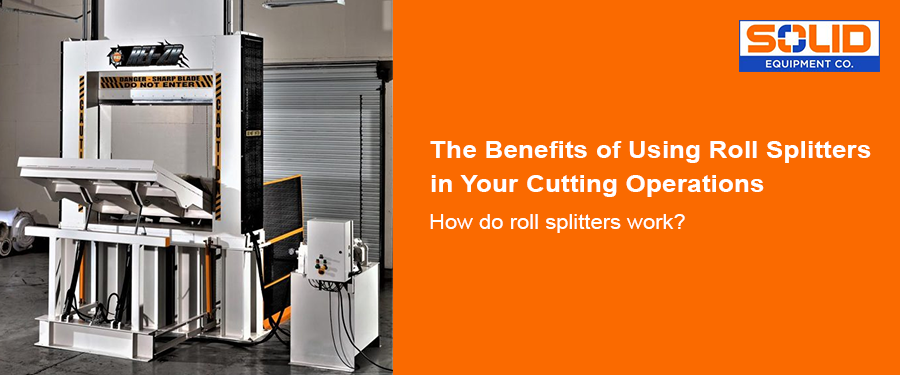
Roll Splitters are machines designed to cut large rolls of material into smaller pieces. They use a set of rollers to hold the roll in place while a blade slices through the material. They find use in industries such as paper, plastic, and textiles.
How do Roll Splitters Work?
Roll splitters work quickly and efficiently. The operator loads the roll onto the rollers and then activates the cutting blade. The blade cuts through the material, creating two or more smaller rolls. The process is quick and precise and produces very little waste.
Benefits of Roll Splitters
Roll splitters offer a variety of benefits to cutting operations. Here are just a few:
Increased Efficiency
Traditional cutting methods can be time-consuming and labor-intensive. With these splitters, however, the cutting process is automated to get more done quickly. This increased efficiency can help you to meet deadlines and improve your overall productivity.
Improved Safety
Traditional cutting methods like saws and knives can be dangerous, especially when working with large rolls of material. On the other hand, roll splitters are safe to use. The operator works from a safe distance from the cutting blade, and there is no risk of accidental injury.
Reduced Waste
Traditional cutting methods often produce a lot of waste, which can be costly. Roll splitters, however, make very little waste. The cuts are precise, meaning you can use more material and waste less.
Consistent Cuts
They produce consistent cuts every time. It means you can be confident that your finished product will meet your specifications. It can be particularly important in industries where accuracy is critical, such as the paper or textile industries.
Cost Savings
While the initial investment in a roll splitter may be higher than traditional cutting methods, the long-term cost savings can be significant. Roll splitters are more efficient, produce less waste, and require less maintenance than conventional cutting methods. Adding them to your cutting arsenal can reduce overall operating costs and increase profit margins.
Check out Solid Equipment Company for Industrial Recycling Equipment
If you’re interested in exploring the benefits of roll splitters for your cutting operations and are looking for a reliable roll splitter supplier in the United States, look no further than Solid Equipment Company .
As one of the prominent supplier of industrial recycling equipment, we offer a wide range of splitters, including new and used models from the industry’s top brands. Our experienced team can help you to choose the right machine for your needs, and we offer competitive pricing and financing options. Contact us today to learn more.

Frequently Asked Questions
1. What types of materials can be cut with a roll splitter?
They can cut a wide range of materials, including paper, textiles, plastics, rubber, and more. They are particularly effective for materials that are difficult to cut with traditional methods, such as dense rubber or thick textiles.
2. Are they difficult to operate?
Roll splitters are designed to be user-friendly and easy to operate. They typically come with a user manual and training from the manufacturer, ensuring that operators can safely and effectively use the machine.
3. How much maintenance do they require?
Roll splitters require minimal maintenance, which is one of their benefits over traditional cutting methods. Routine maintenance includes cleaning the machine and ensuring that the blade is sharp. Depending on the model and frequency of use, you may need to replace the blade periodically.
4. Are they expensive?
While the initial investment in a roll splitter may be higher than traditional cutting methods, they can offer significant long-term cost savings through increased efficiency, reduced waste, and lower maintenance costs.
More to read in Solid Equipment Company Blog
A Guide to Finding Reliable Suppliers for Recycling Machinery and Equipment in the USA
The Role of Industrial Recycling Equipment in Waste Reduction and Management
